Seawall Repair and Remediation in Wollongong
Get a Free EstimateWollongong Seawall Remediation
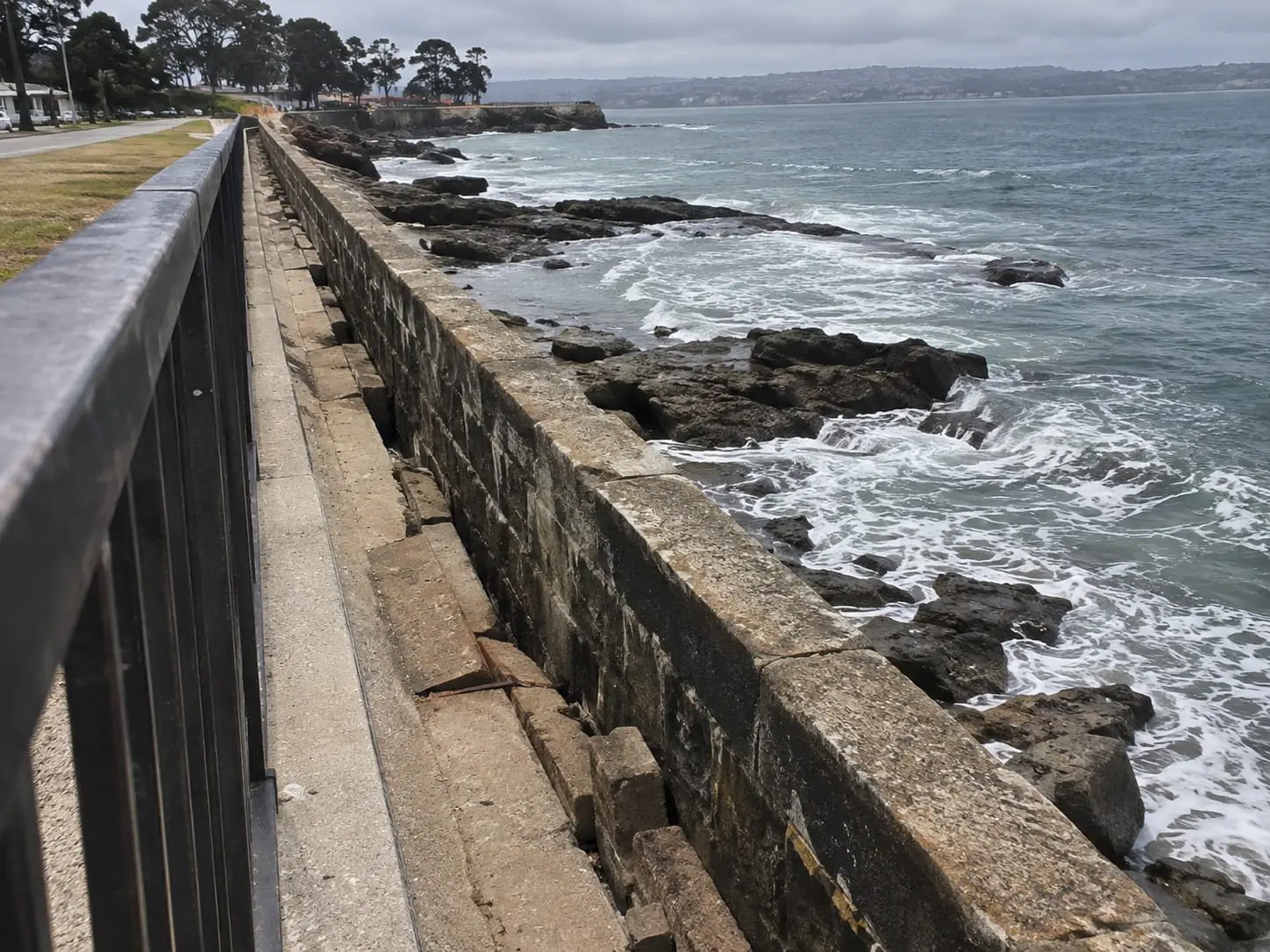
Salt spray, pounding surf and decades of wetting and drying take a real toll on coastal concrete. Rust stains, flaking edges, open joints and hollows behind the wall are all signs that a seawall is struggling. We provide seawall repair in Wollongong and across the Illawarra, working out what's causing the damage and fixing it properly rather than covering it up.
Every repair starts with a careful look at the wall, ideally with an engineer's assessment for anything structural. From there we break out failed concrete, treat or replace corroded steel, rebuild sections and restore the toe and drainage, all timed around the tides. Have any past reports or photos ready for the site visit so we can see how the wall has changed over time.
Seawall Repairs We Handle Around Wollongong
Crack Investigation and Repair
Not every crack in a seawall means the same thing. Fine shrinkage cracks may only need sealing, while wider or rust-stained ones often point to steel corroding inside. We open up and assess them with your engineer, then seal, inject or break out and rebuild as the scope directs.
Spalled Concrete and Exposed Steel
When salt reaches the reinforcement, the rust swells and pops the cover off. We cut back to sound concrete, clean or replace the affected bars, prime them and rebuild the section with a repair mortar or recast it, depending on how deep the damage goes.
Undermined Toe Repairs
Storms can strip sand from the base of a wall and leave the footing hanging. We work at low tide to clean out the scoured area, then underpin or extend the toe and reinstate scour protection to the engineer's detail before the next big swell.
Filling Voids Behind the Wall
Sinkholes in the lawn behind a seawall usually mean backfill is being sucked out through a gap or a failed weep hole. We locate the leak, repair the opening and fill the void with grout or suitable material so the ground stops dropping away.
Failed Joint Reinstatement
Construction and expansion joints are often the first parts of an older wall to let water and sand through. We clean them out, repair broken edges and reinstate a joint system that suits the movement and exposure the wall sees.
Protective Coatings and Specialist Systems
Some remediation scopes call for a protective coating, sealer or extra cover once repairs are done. Where an engineer specifies something more specialised, such as cathodic protection, we work alongside the specialist installer and handle the concrete side of the job.
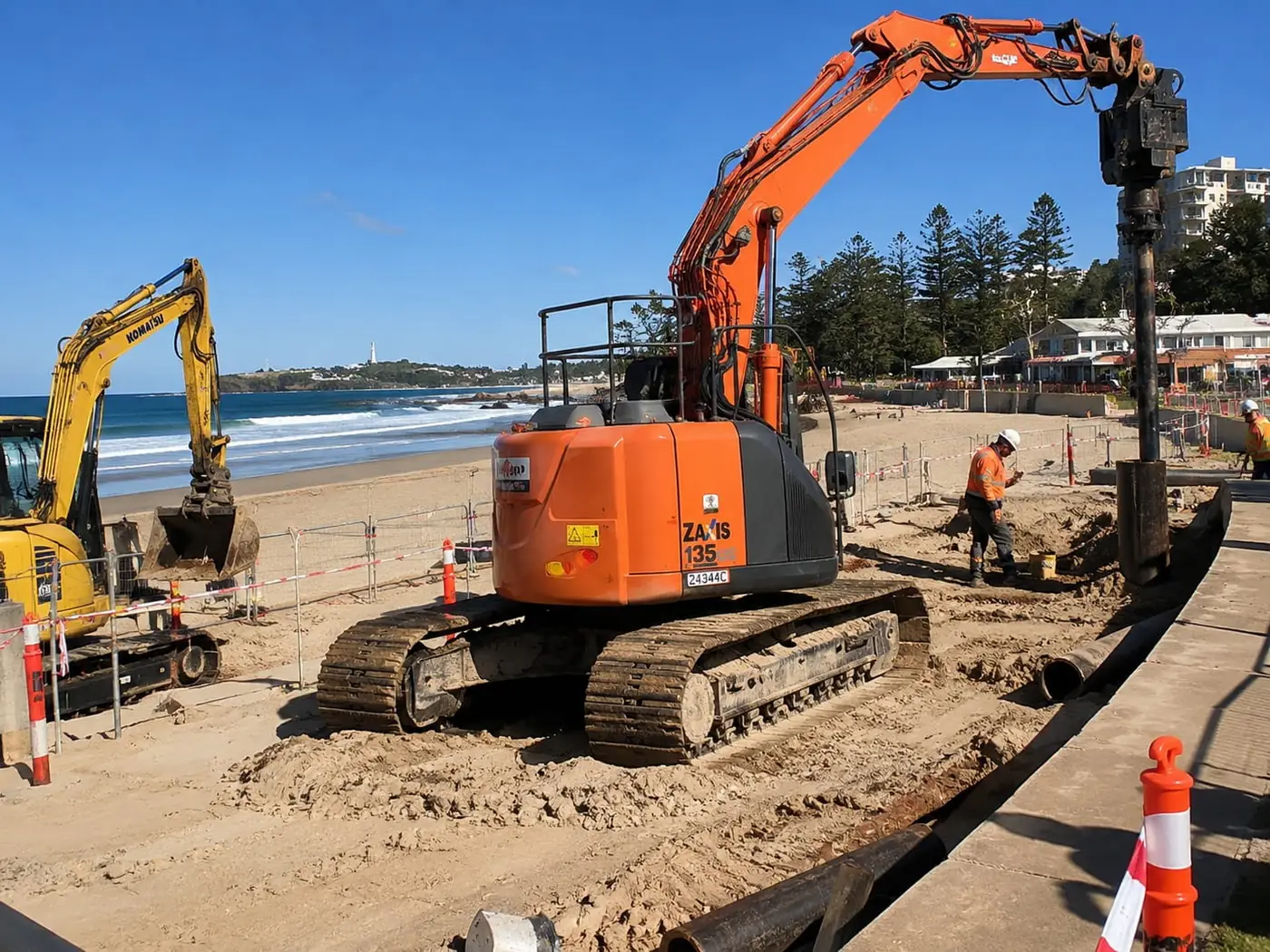
Three Ways to Get Your Seawall Repaired in Wollongong
A damaged seawall rarely gets better by itself, and small problems tend to grow quickly once the sea finds a way in. Here's how to get the ball rolling.
- You have an engineer's report: Let us know in the form, and we'll price the repair scope it sets out and plan the work around the tides.
- You've noticed damage after a storm: Describe what you can see, such as cracks, rust, sinking ground or exposed footings, and we'll arrange an inspection.
- You're not sure how bad it is: We'll look over the wall with you, point out what concerns us and recommend whether an engineer should assess it first.
Seawall remediation draws on the same skills as our general concrete repair and crack repair work, adapted for salt and tide. Where rusting steel is the main issue, see our concrete spalling repair page. And if the wall is beyond saving, we can talk about new seawall construction instead.
Why Illawarra Owners Trust Us With Seawall Remediation
Diagnosis Before Patching
Painting over a symptom only buys a few months on the coast. We want to know why the wall is failing, and we'll push for an engineer's assessment when the damage looks structural rather than cosmetic.
Breakout to Sound Concrete
Repairs only last if the weak, salt-contaminated material is properly removed. We cut back until we reach solid concrete and clean steel, even if that means a bigger patch than you first expected.
Repair Products Suited to Seawater
Not every patching mortar copes with tidal wetting and drying. We use repair systems rated for marine exposure, follow the manufacturer's preparation steps and cure them carefully so they bond well and stay put.
Short, Well-Planned Tide Windows
Many repairs can only be done for a few hours either side of low tide. We prepare everything in advance so each window counts, and we protect fresh work before the water returns.
Honest About What Can Be Saved
Sometimes a section has deteriorated too far for patching to make sense. If rebuilding is the better long-term option, we'll say so plainly and explain why, instead of selling repairs that won't hold.
A Tidy, Safe Worksite
Breaking out concrete near the beach throws up dust and debris. We contain the work, keep it clear of the water and set up safe barriers so walkers and swimmers can pass by without risk.
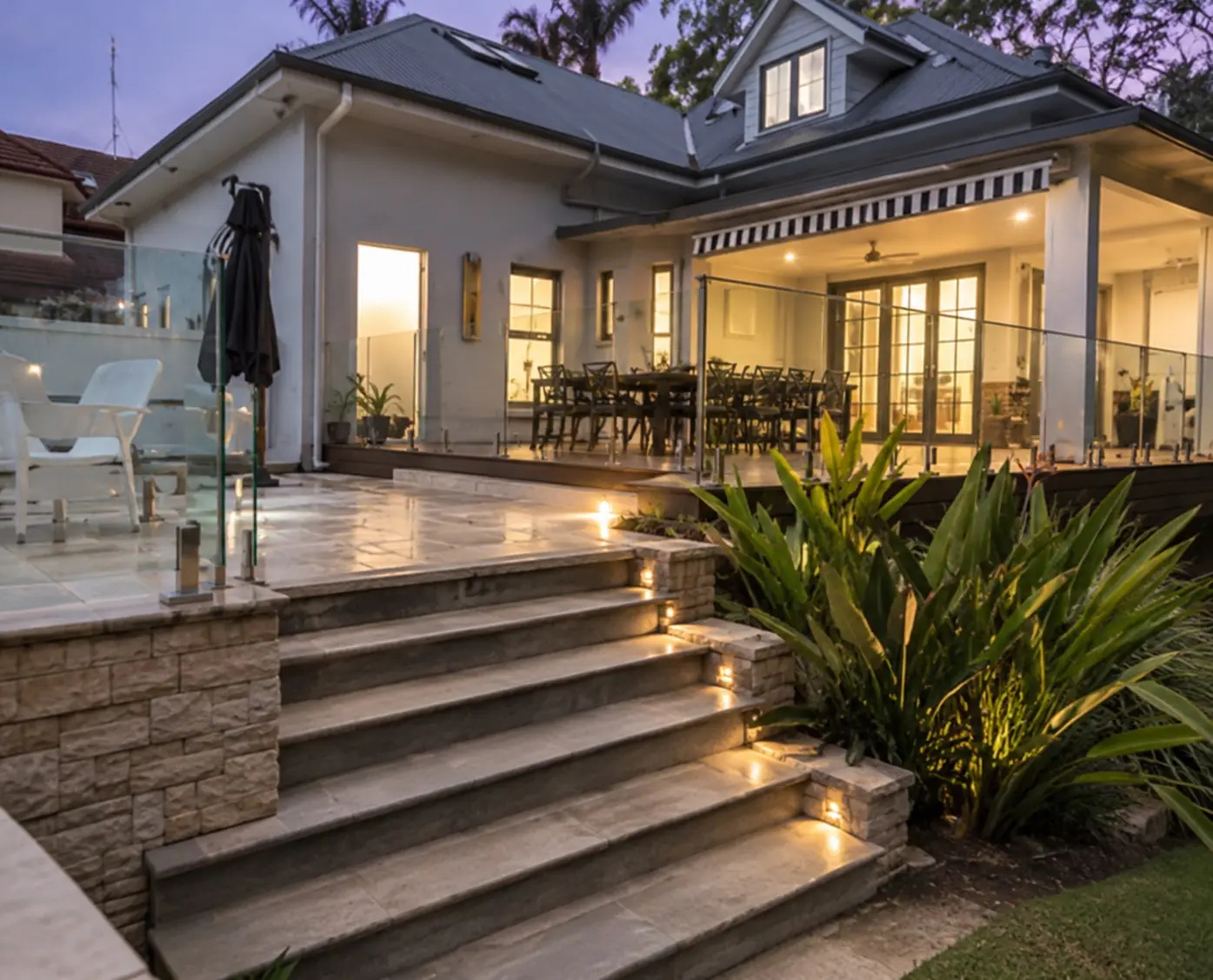
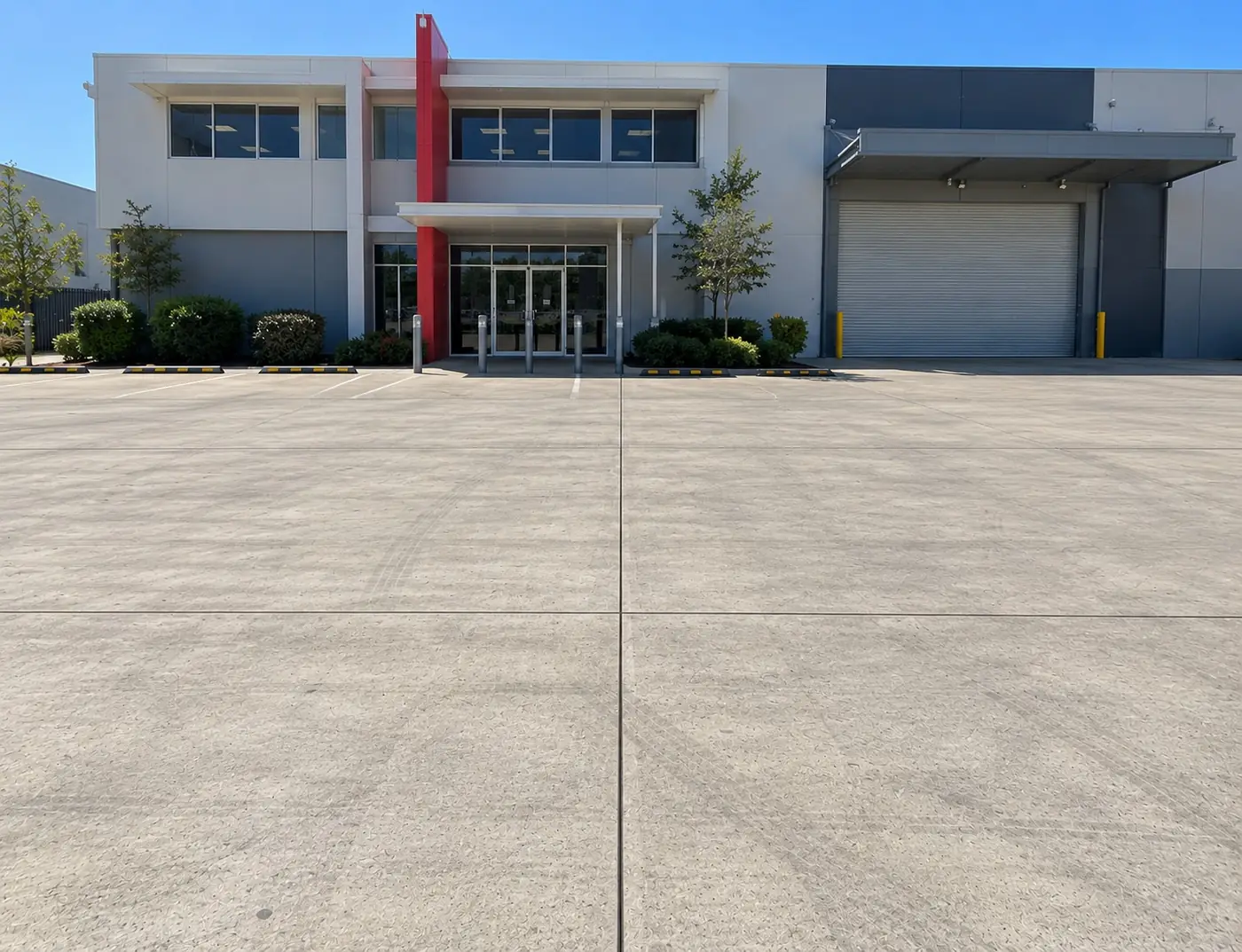
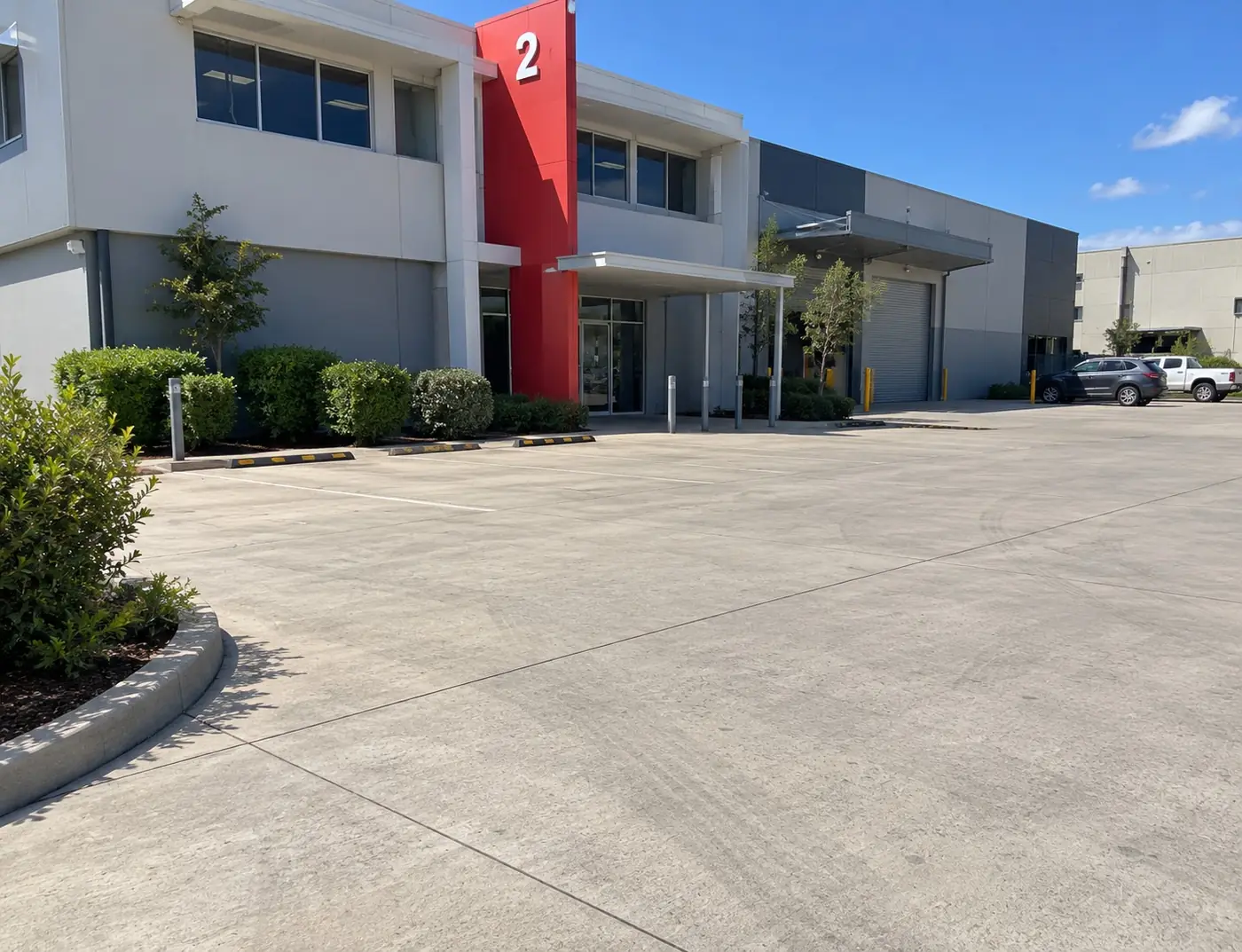
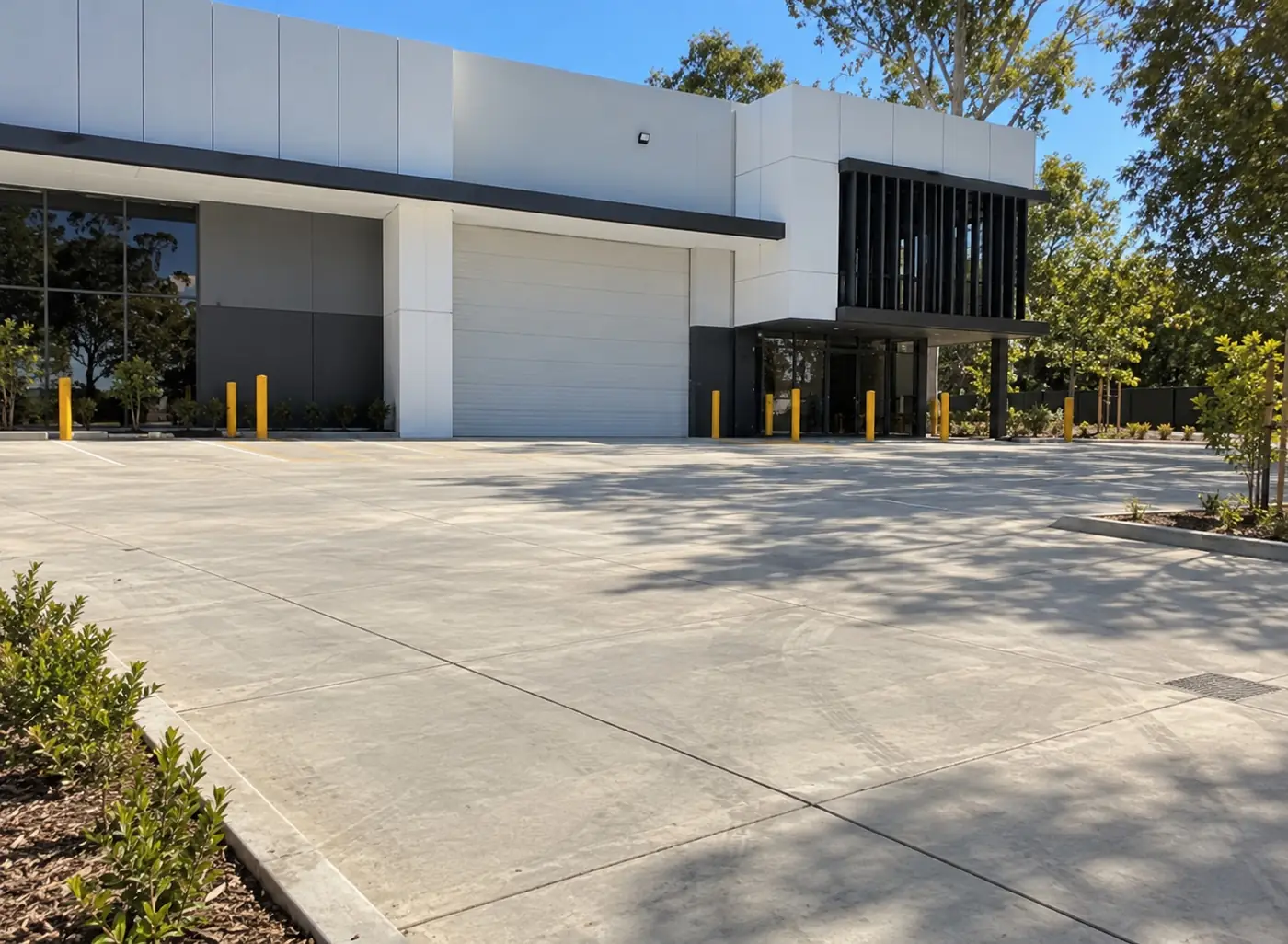
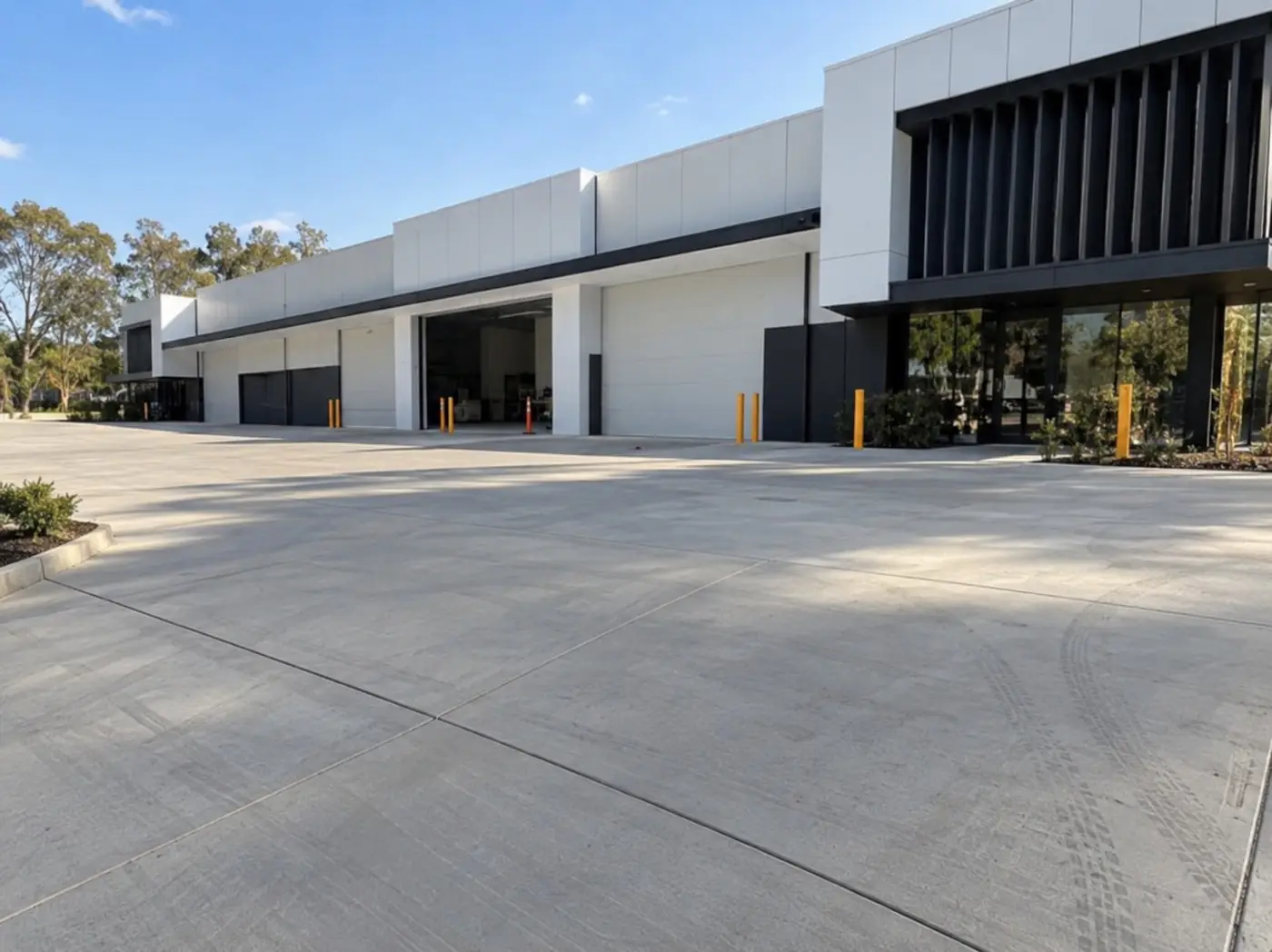
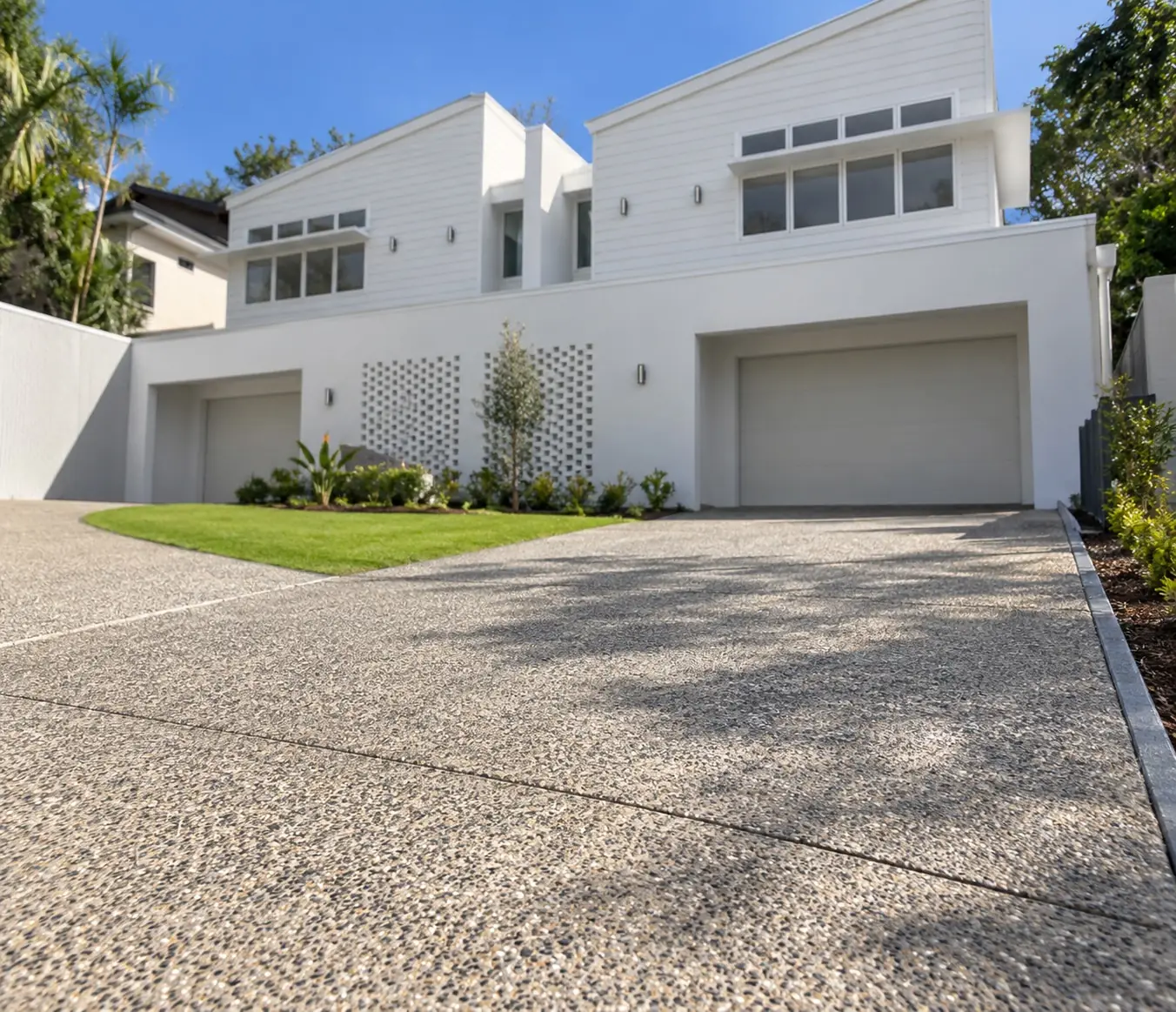
A Look at Our Wollongong Concrete Work
Seawall Repair Questions
Answers to the questions we hear most from Illawarra owners with ageing or storm-damaged seawalls, from warning signs to approvals and how long repairs last.
Common warning signs include rust stains running down the face, cracks that have widened over time, chunks of concrete breaking away, exposed steel, gaps opening at joints, sand washing out through the wall and holes or sinking ground behind it. Damage after an East Coast Low is also worth checking promptly. If you notice any of these, it's worth getting the wall looked at before the next big swell, and having an engineer assess anything that looks structural.
Most often it's chloride-induced corrosion. Salt from the sea slowly penetrates the concrete until it reaches the reinforcement. The steel then rusts, and rust takes up more space than the original metal, which cracks and pushes off the concrete cover. Older walls with thinner cover or less dense concrete are more vulnerable. Wave impact, scour and ground movement behind the wall can add to the damage.
Often, yes. Localised spalling, cracking, joint failures, voids and moderate toe scour can usually be repaired, and a well-planned remediation can extend a wall's life considerably. If the wall is badly undermined, rotating or corroded right through, rebuilding may make more sense. An engineer's assessment helps decide, and we'll give you our honest view after looking at the site.
It depends on the scope. Minor maintenance can sometimes be treated differently to major works, but repairs on the coast can still trigger consent requirements, and work on Crown land or below mean high water mark may need additional permits. Please confirm with Wollongong City Council, Shellharbour City Council or Kiama Municipal Council and the relevant state agencies before work starts. A coastal engineer is usually involved for anything beyond minor patching.
That depends on how much salt has already got into the concrete, how thoroughly the damaged material is removed, the repair system used and how exposed the wall is. Repairs that cut back to sound concrete and treat the steel properly last far longer than surface patches. Regular inspections, particularly after big storms, help pick up new problems while they're still small and cheaper to fix.
More services that pair well
Worried about your seawall?
Tell us what you've noticed and we'll arrange an inspection and a clear repair quote.